From Dormancy to Harvest: Understanding the Annual Lifecycle of the Vine
Behind every vintage is a complex, delicate, and fascinating natural process: the annual growth cycle of the grapevine.
Understanding this cycle explains why weather patterns in June can dictate a wine’s quality in January, and why winemakers treat their vines with such precise care throughout the seasons.
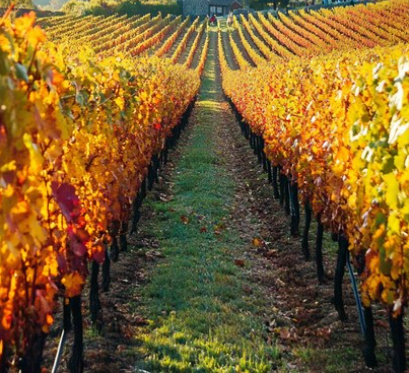
1. Senescence (May): Leaves turn vibrant autumn colors and drop, storing nutrients in the roots before returning to winter dormancy
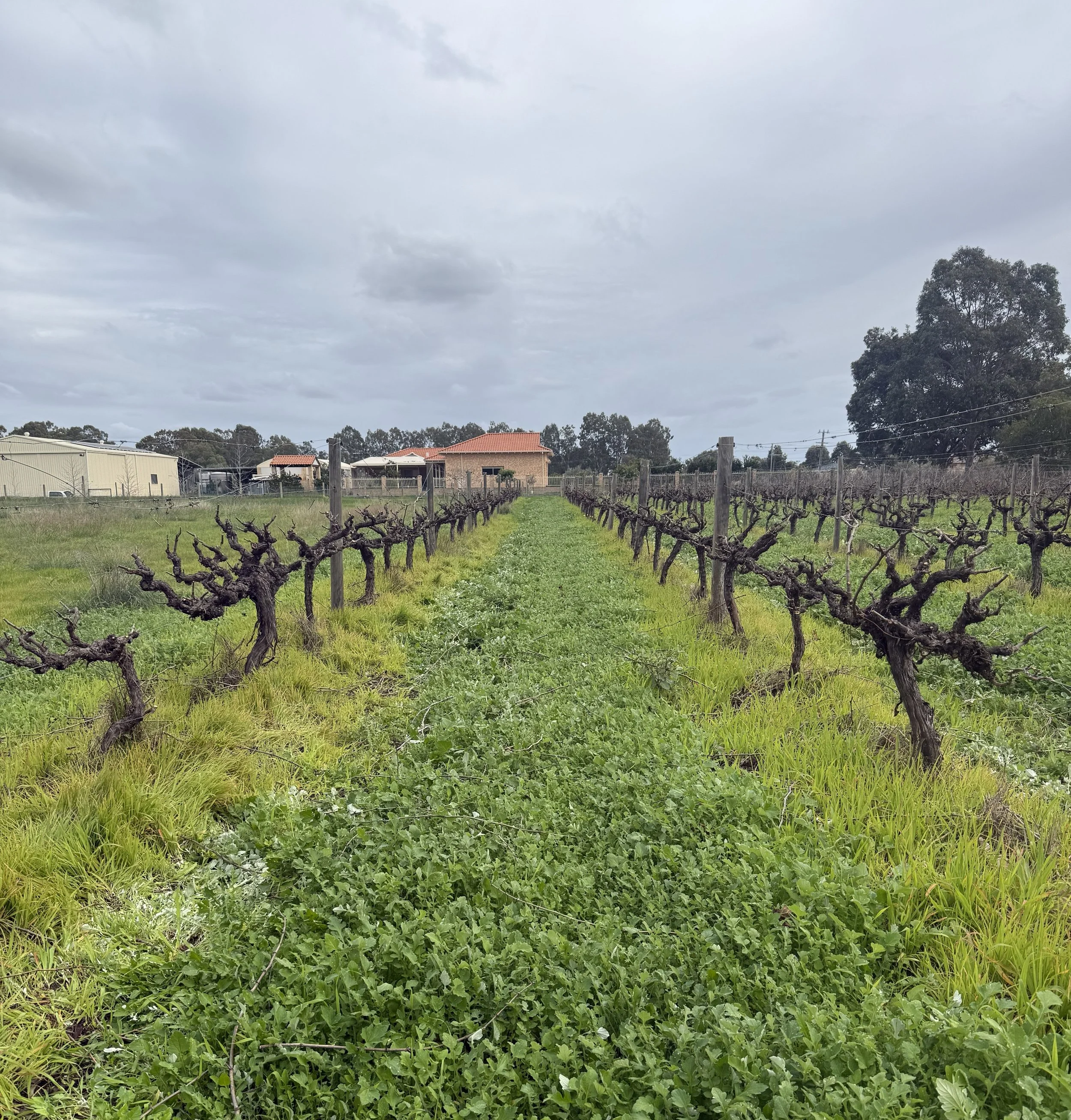
2. Winter Dormancy & Pruning (June – August): The vine sleeps through the winter chill. Winemakers prune back old wood to set up crop yields for the coming season.
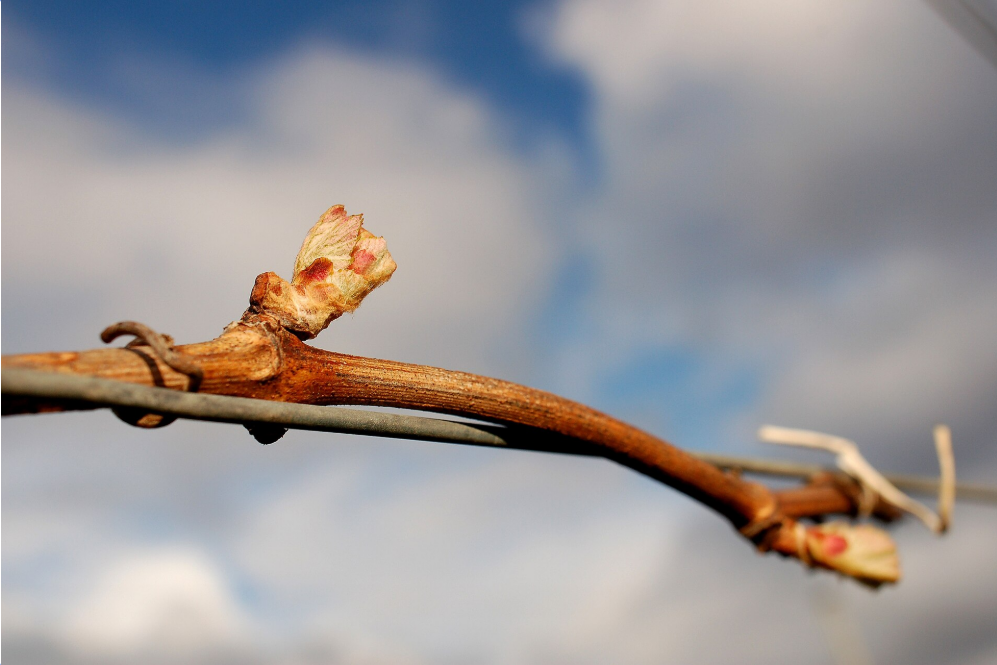
3. Budburst (September – October): As spring warms the soil, sap flows and tiny green shoots break open from the vine nodes.
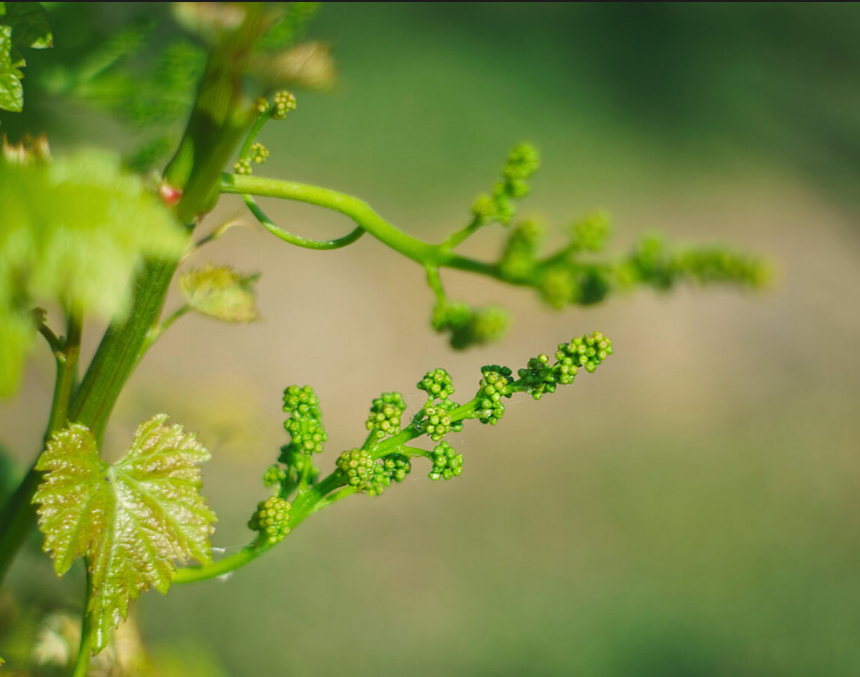
4. Flowering & Fruit Set (November – December): Self-pollinating flowers bloom and transform into tiny, hard green berries.
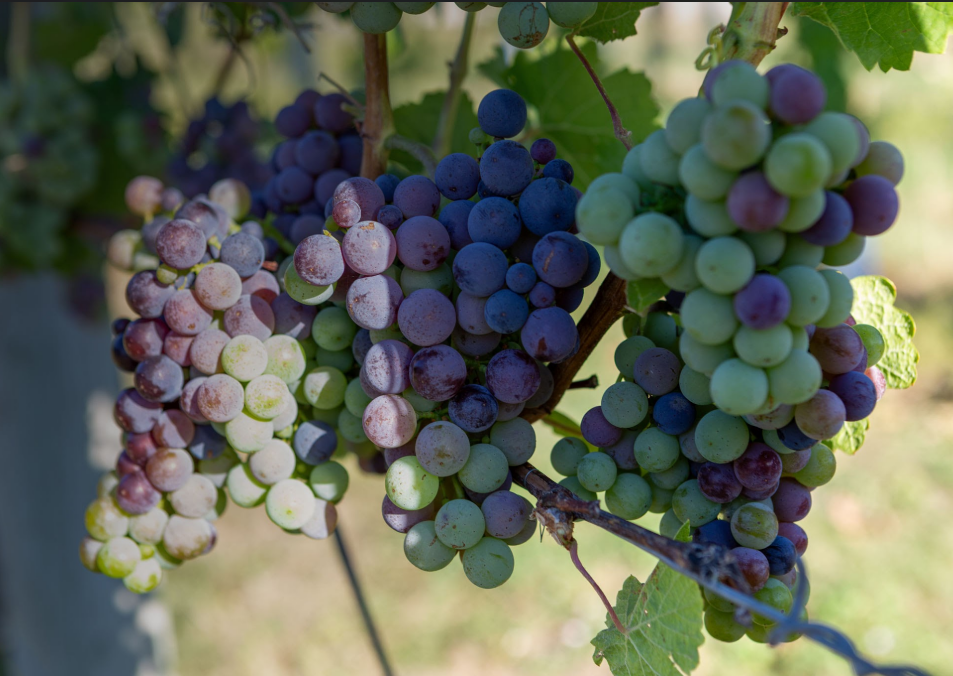
5. Veraison & Ripening (January – February): In the heat of summer, grapes change color (reds turn purple, whites turn translucent green), soften, lose acid, and build up sugar.
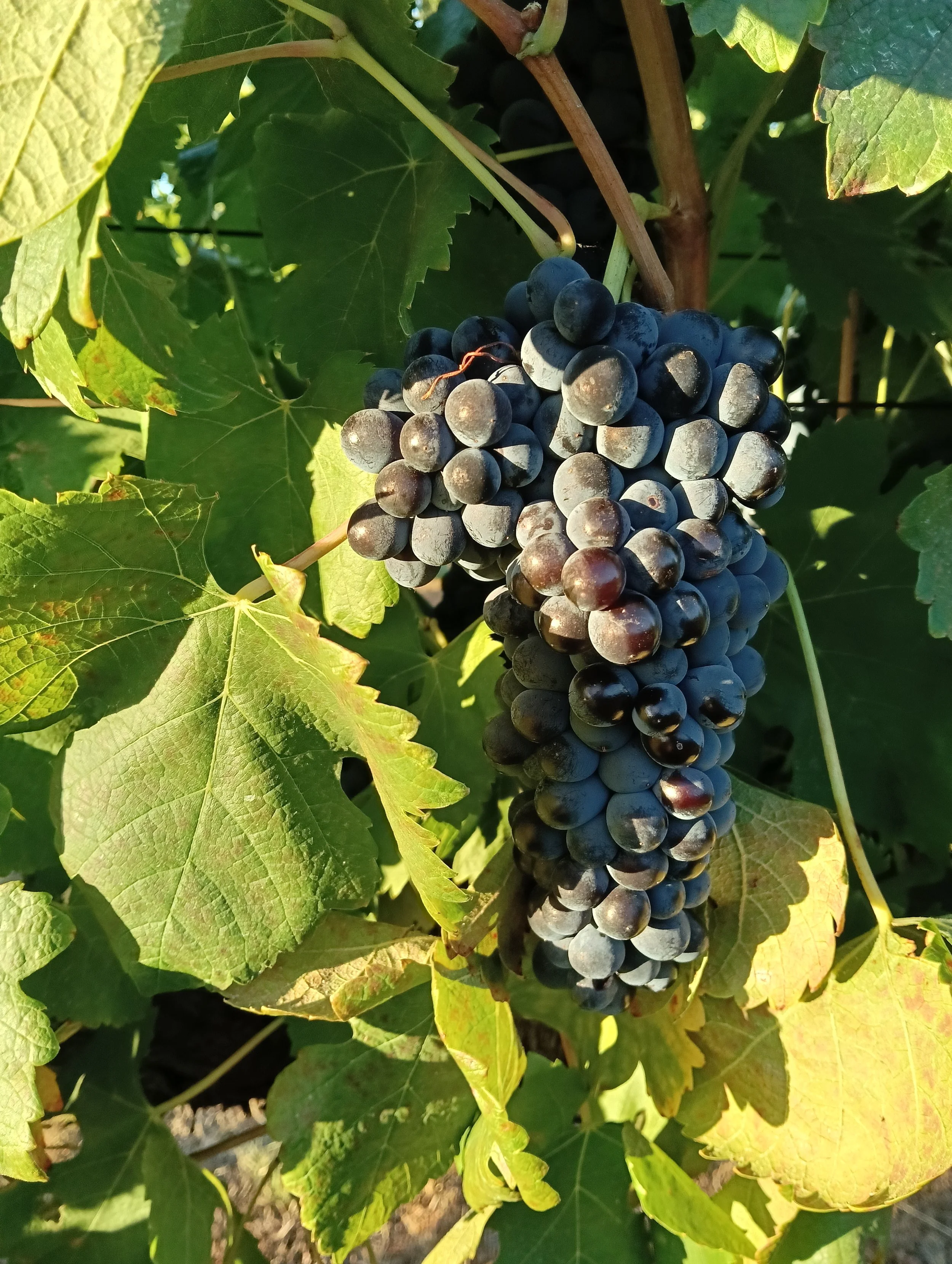
6. Harvest (Feb - April): Summer brings the picking season, with grapes harvested at peak balance of sugar, acid, and flavor maturity.